
Cheltenham Festival Betting: Odds, Strategies & 2026 Guide
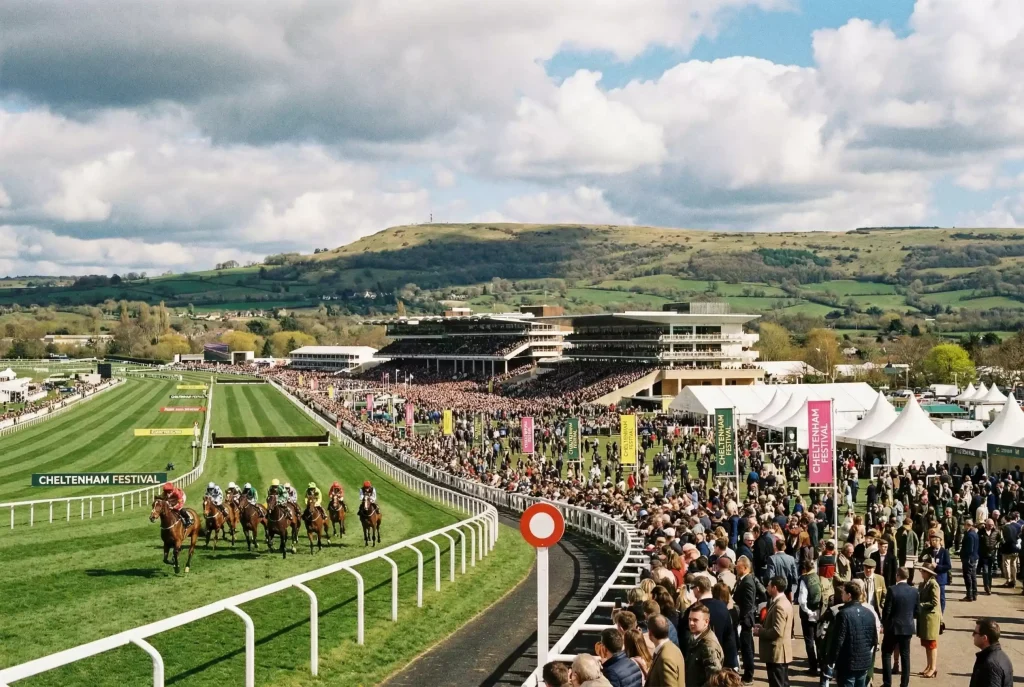
Cheltenham Festival is the punter’s Olympics. Four days, twenty-eight races, and the deepest betting markets of the jumps season converge in the Cotswolds each March. The competition for Cheltenham odds comparison intensifies as bookmakers and bettors alike prepare for the year’s defining National Hunt meeting.
The Festival attracts casual once-a-year punters alongside professional gamblers who spend months preparing. This collision creates market inefficiencies that sharp bettors exploit and recreational punters can learn from. Understanding how Cheltenham markets behave, where value typically emerges, and how to structure betting across the four days separates profitable Festival punters from those who simply enjoy the spectacle.
“2026’s annual attendance figures demonstrate a year of consolidation, which is particularly encouraging considering the sport is in the midst of undertaking significant measures to enhance the product on offer.” That observation from David Armstrong, Chief Executive of the Racecourse Association, reflects the sport’s health heading into Festival season. British racecourse attendance in 2026 surpassed five million for the first time since 2019, with Festival weeks driving substantial portions of that figure.
This guide covers Festival betting from every angle: the structural features that shape each day’s racing, ante-post strategies for capturing early value, promotional offers that enhance returns, and day-by-day approaches for navigating the week. The Festival rewards preparation. Arriving armed with strategy rather than impulse transforms the experience from gambling to informed betting.
The betting intensity at Cheltenham exceeds any other racing fixture. More money changes hands across these four days than during entire months of regular racing. This liquidity creates efficiency in headline markets while potentially leaving opportunities in lesser-watched races where the crowd’s attention has not forced prices to fair value.
Festival Structure and Key Races
Cheltenham Festival unfolds across four days, each with a distinct character and flagship race. The structure creates natural focal points for betting attention while leaving opportunities in undercard contests that receive less public scrutiny.
Day One, Champion Day, centres on the Champion Hurdle. This Grade 1 two-mile hurdle race attracts the fastest hurdlers in training and generates enormous betting interest. The Supreme Novices’ Hurdle opens the Festival as the first race of the meeting, a notoriously competitive event where emotional punters often overbet fancied horses after months of anticipation. The Arkle Challenge Trophy tests the best novice chasers over two miles.
Day Two, Ladies Day, features the Queen Mother Champion Chase. The two-mile championship chase pits the fastest fencers against each other, producing reliably spectacular racing. The Ballymore Novices’ Hurdle attracts staying hurdlers with Festival stamina, while the Brown Advisory Novices’ Chase tests staying chasers over three miles.
Day Three, St. Patrick’s Thursday, builds toward the Stayers’ Hurdle. This three-mile test of stamina separates the true stayers from horses that merely stay further than two miles. The Ryanair Chase offers an intermediate trip for quality chasers who lack the stamina for the Gold Cup or the speed for the Queen Mother. The Turners Novices’ Chase completes a strong day of graded action.
Day Four, Gold Cup Day, climaxes with the Cheltenham Gold Cup itself. The blue riband event of National Hunt racing, the Gold Cup over three miles two furlongs and seventy yards determines the season’s champion staying chaser. The Triumph Hurdle for juvenile hurdlers and the County Hurdle provide each-way opportunities before the meeting’s defining race.
Understanding field sizes and race conditions for each event helps target appropriate betting approaches. The championship races typically attract fields of eight to fifteen runners with strong market leaders. The handicaps feature larger fields with more open betting, creating different value dynamics that reward different analytical approaches.
Quarter four 2026 attendance grew by 12.9% year-on-year, with Festival preparations contributing to improved racecourse infrastructure. This investment benefits punters through enhanced facilities and better race-day experiences, though the primary focus remains on identifying betting value across the twenty-eight races.
Ante-Post Betting Strategy
Ante-post betting offers larger odds in exchange for accepting non-runner risk. A horse that does not start returns nothing on ante-post bets unless non-runner money-back terms apply. This fundamental trade-off shapes every ante-post decision.
The best ante-post value typically appears at specific windows. Immediately after a horse performs well in a trial race, prices often shorten quickly. Betting before trial races, on horses you expect to perform, captures pre-trial odds before the market reacts. This approach requires confident assessment of trial prospects rather than waiting for confirmation.
Conversely, horses that underperform in trials drift in ante-post markets. If your assessment suggests the trial performance does not represent true ability, perhaps due to tactical circumstances, ground conditions, or deliberate training, buying drifters offers value. This contrarian approach requires conviction and willingness to disagree with consensus market reaction.
Levy income reached £105 million in 2023-24, a record figure since the levy reform. Festival betting contributes substantially to these figures, with ante-post markets opening months before the meeting. Understanding that bookmakers build larger margins into ante-post markets helps calibrate value expectations.
Non-runner money-back offers significantly change ante-post mathematics. A NRNB offer eliminates the primary ante-post risk. If the horse does not run, you receive your stake back. This insurance makes otherwise marginal ante-post bets more attractive, though NRNB prices are typically shorter than standard ante-post odds.
Portfolio approaches manage ante-post risk. Rather than concentrating stakes on single selections, spreading bets across multiple horses in multiple races creates a Festival position with diversified outcomes. Some selections will fail; others may win at rewarding prices. The aggregate result matters more than any individual bet.
The timing of ante-post close varies by bookmaker. Some maintain ante-post markets until 48 hours before races; others close markets earlier. Checking when ante-post terms cease helps plan late betting around non-runner declarations and final market moves.
Finding Value in Festival Markets
Festival markets attract enormous liquidity, making them among the most efficient betting markets in racing. Finding value requires either superior form analysis or identifying systematic biases in market pricing.
Irish form versus British form creates recurring opportunities. Irish-trained horses dominate Festival statistics, yet UK-based casual punters often underrate them. Trainers like Willie Mullins and Gordon Elliott bring horses specifically prepared for Cheltenham targets. Their win rates at the Festival substantially exceed baseline expectations, and the market sometimes underestimates this edge.
First-time Festival runners face a learning curve. The unique challenges of Cheltenham’s hill, crowd noise, and competitive pressure affect horses differently than any other track. Some handle it immediately; others never adapt. Form achieved at other tracks does not transfer perfectly to Cheltenham, and the market sometimes overvalues impressive form from elsewhere.
Trainer patterns reveal targeting intentions. Certain trainers point horses specifically at Festival races, sometimes sacrificing earlier season opportunities to arrive fresh. Recognising these patterns helps identify horses whose form may not reflect their true Festival potential. A horse that ran flat in February might have been deliberately under-prepared for a March peak.
British horseracing generates £4.1 billion in economic contribution annually, according to BHA evidence to the DCMS Committee. The Festival represents a concentrated portion of this value, both economically and in betting market terms. The depth of interest creates pricing pressure that sophisticated analysis can exploit.
Big-field handicaps offer the clearest each-way value. When twenty or more runners compete, the place terms expand to five or six positions. Identifying horses that might outrun their odds without winning produces consistent place returns. The challenge is distinguishing genuine each-way value from false hope.
Market moves in the final hours before Festival races carry information. Sharp money often arrives late, moving prices on horses that well-informed sources support. Monitoring these moves provides intelligence about where professional money is going, though following moves after they have occurred means accepting reduced prices.
Weather and ground conditions evolve throughout the week. Cheltenham’s famously unpredictable spring weather can shift ground descriptions significantly between days. Horses suited to softer conditions gain advantages when rain arrives; good-ground specialists benefit when skies clear. Updating selections based on current conditions rather than assumptions made weeks earlier captures value that static ante-post positions miss.
The track configuration itself creates opportunities. Cheltenham’s uphill finish exhausts horses that lack genuine stamina for their trip. Course form matters more than it does at flatter tracks. Horses with proven ability to handle the hill outperform form book ratings that do not account for this unique challenge.
BOG and Offers at Cheltenham
Best Odds Guaranteed terms typically apply throughout Cheltenham Festival, though specific conditions vary by bookmaker. Understanding which operators offer the most favourable BOG terms helps capture value when prices drift.
BOG activation times matter particularly at Cheltenham. Morning prices on Festival races can differ substantially from Starting Prices as money flows into markets throughout the day. Early BOG activation allows betting on morning assessments while retaining upside if selections drift. Later activation restricts this flexibility.
Maximum BOG payouts become relevant at Cheltenham because stakes often exceed normal levels. A punter might bet £50 or £100 on a Festival selection when their usual stake is £10. If that selection drifts from 8/1 to 14/1, the BOG enhancement represents significant money. Maximum payout caps can limit this upside on larger bets.
Festival-specific promotions supplement standard BOG. Extra place offers on big handicaps extend the number of paying positions. Money-back specials if a favoured selection finishes second or third reduce downside risk. Free bet offers tied to Festival betting activity reward volume. Aggregating these offers across bookmakers creates substantial promotional value.
Price boosts on individual Festival selections appear throughout the meeting. Evaluating whether boosted prices exceed fair value requires the same analysis as any selection: what is the true probability, and does the price offered exceed implied probability? Boosted prices often look attractive without actually representing value.
Cash out availability on Festival bets allows profit-taking or loss-cutting before races conclude. Some punters prefer to watch without the option to cash out, removing temptation to exit positions prematurely. Others value the flexibility. Knowing which approach suits your temperament helps decide whether to enable or disable cash out functionality.
Each-Way Strategy for the Festival
Cheltenham Festival offers favourable each-way conditions. Large fields, competitive racing, and enhanced place terms create opportunities that do not exist at most other meetings. Deploying each-way betting strategically across the four days generates consistent place returns.
The County Hurdle, Martin Pipe Handicap Hurdle, and other big-field handicaps typically pay five or six places with extra place promotions. Identifying horses that will outrun their odds without necessarily winning produces each-way profits. These are not win-or-nothing bets; they are place-focused wagers where the win portion provides upside bonus.
Short-priced favourites make poor each-way selections at Cheltenham. A 2/1 shot each-way at quarter odds pays just 1/2 to place. The implied probability required for value exceeds what most favourites deliver, particularly in competitive Festival fields where upsets occur regularly. Win-only betting suits short-priced selections better.
The ideal each-way range at Cheltenham falls between 8/1 and 25/1. These odds provide meaningful place returns if the horse frames without winning. At longer prices, the place probability drops too low for consistent returns. At shorter prices, place returns do not justify the doubled stake.
Pace analysis helps identify each-way value. Front-runners that lead early often hold on for places even when headed late. Hold-up horses that finish strongly pick up places regularly even when lacking winning acceleration. Understanding how a race is likely to unfold indicates which horses will be in the places at the finish.
Ground conditions significantly affect place outcomes. Horses with strong soft-ground form may excel when testing conditions prevail, outrunning odds based on good-ground ability. The reverse applies when ground rides faster than expected. Monitoring going changes throughout the Festival week and adjusting each-way targets accordingly captures condition-specific value.
The volume of each-way betting at Cheltenham creates its own market dynamics. Heavy each-way action compresses place prices relative to win prices, sometimes eliminating value that existed in ante-post markets. Identifying where this compression has occurred helps avoid overpaying for place probability while finding races where each-way terms remain attractive.
Multiple selections across different races manage each-way variance. A single each-way bet on a 16/1 shot might place or might not; four each-way bets at similar odds produce more predictable aggregate outcomes. Portfolio approaches to Festival each-way betting reduce volatility while capturing the same expected value as concentrated positions.
Day-by-Day Betting Approach
Each Festival day requires a different betting mindset. The emotional arc of the meeting influences market behaviour, creating opportunities for punters who recognise these patterns.
Day One: Champion Day
Opening day generates peak excitement after months of anticipation. Emotional betting pushes prices on fancied horses lower than value justifies. The Supreme Novices’ Hurdle, as the first race, sees particularly heavy overbet favourites. Experienced Festival punters often target longer-odds selections in this race, anticipating that public money has compressed favourite prices too far.
The Champion Hurdle draws the largest betting volumes of the meeting. Market efficiency is highest in this race because of the attention it receives. Finding value requires genuinely superior assessment rather than hoping the market has missed something obvious. Many punters skip the Champion Hurdle as a betting race, preferring to watch and enjoy without financial exposure.
Day Two: Ladies Day
The meeting finds rhythm on day two. Punters have calibrated their assessments based on day one results. Those who lost heavily may chase losses; those who won may bet more confidently. Neither response is optimal. Maintaining discipline regardless of day one outcomes produces better long-term results.
The Queen Mother Champion Chase offers spectacular racing but efficient pricing. The Ballymore and Brown Advisory provide opportunities in less scrutinised novice divisions where Irish raiders particularly excel.
Day Three: St. Patrick’s Thursday
Irish influence peaks on Thursday. Irish punters travel specifically for St. Patrick’s Day, bringing money for Irish-trained horses. This support can push Irish horses below fair value while leaving British alternatives underbet. Recognising this dynamic creates opportunities on both sides: taking value on British horses when Irish money has moved the market, or following Irish support when it represents genuine information rather than patriotic enthusiasm.
The Stayers’ Hurdle rewards genuine stamina specialists. Horses that have won over shorter trips but are stepping up in distance often disappoint as the race unfolds. True stayers who have proven their stamina repeatedly represent safer selections, even at shorter prices.
Day Four: Gold Cup Day
The final day combines fatigue with culmination. Punters who have bet all week face depleted bankrolls or accumulated profits depending on how the meeting has progressed. The Gold Cup itself draws enormous attention, but the Triumph Hurdle and supporting races sometimes offer value because attention concentrates on the feature.
Bankroll management matters particularly on day four. The temptation to chase losses or let profits ride on the Gold Cup leads many punters astray. Sticking to pre-planned stakes regardless of prior results maintains discipline through the meeting’s emotional peak.
The final race of the Festival, often a competitive handicap, sees reduced scrutiny as crowds thin and attention fades. This late-meeting dynamic occasionally produces value for punters still focused while others have departed.
Conclusion
Cheltenham Festival rewards preparation and punishes impulse. The punter’s Olympics demands the same disciplined approach as any serious competitive endeavour: study the field, understand the conditions, develop a strategy, and execute without emotional deviation.
Ante-post betting captures early value but carries non-runner risk. Each-way betting suits big-field handicaps better than championship races. BOG and promotional offers enhance returns when used systematically. Day-by-day awareness of market dynamics helps identify where value emerges as the meeting unfolds.
The Festival’s scale creates both challenges and opportunities. Enormous betting interest produces efficient markets in feature races, making value hard to find. Simultaneously, the volume of racing spreads attention thin, leaving undercard opportunities less scrutinised. Balancing effort across both categories optimises results.
Set a Festival bankroll before the meeting begins. Allocate stakes across the four days based on planned betting activity. Accept that losses are possible despite good decisions; racing outcomes involve irreducible uncertainty. The goal is making value bets consistently, not winning every race. Over time, value betting produces profits even when individual meetings disappoint.
Cheltenham Festival remains the pinnacle of National Hunt racing. Whether you approach it as a serious betting exercise or an annual celebration with incidental wagers, understanding how Festival markets work enhances the experience. The punter’s Olympics deserves Olympic-level preparation.